
Counselling for highly sensitive people, or HSPs
Your sensitivity is a huge strength, but it’s also understandable that it can sometimes make life harder.
Do you often feel things deeply, notice the smallest changes in your surroundings or find yourself overwhelmed by the noise and demands of everyday life? Being a highly sensitive person can mean experiencing the world with greater intensity. You might be deeply empathetic, thoughtful and creative, but also find yourself exhausted by social situations, other people's emotions or the pressure to keep up.
Counselling offers a space to slow down and explore what sensitivity means for you. Rather than seeing it as something to overcome, we can begin to understand your experiences, recognise your needs and discover how to make more room for yourself in a world that can sometimes feel overwhelming.
Why I might be the counsellor for you.
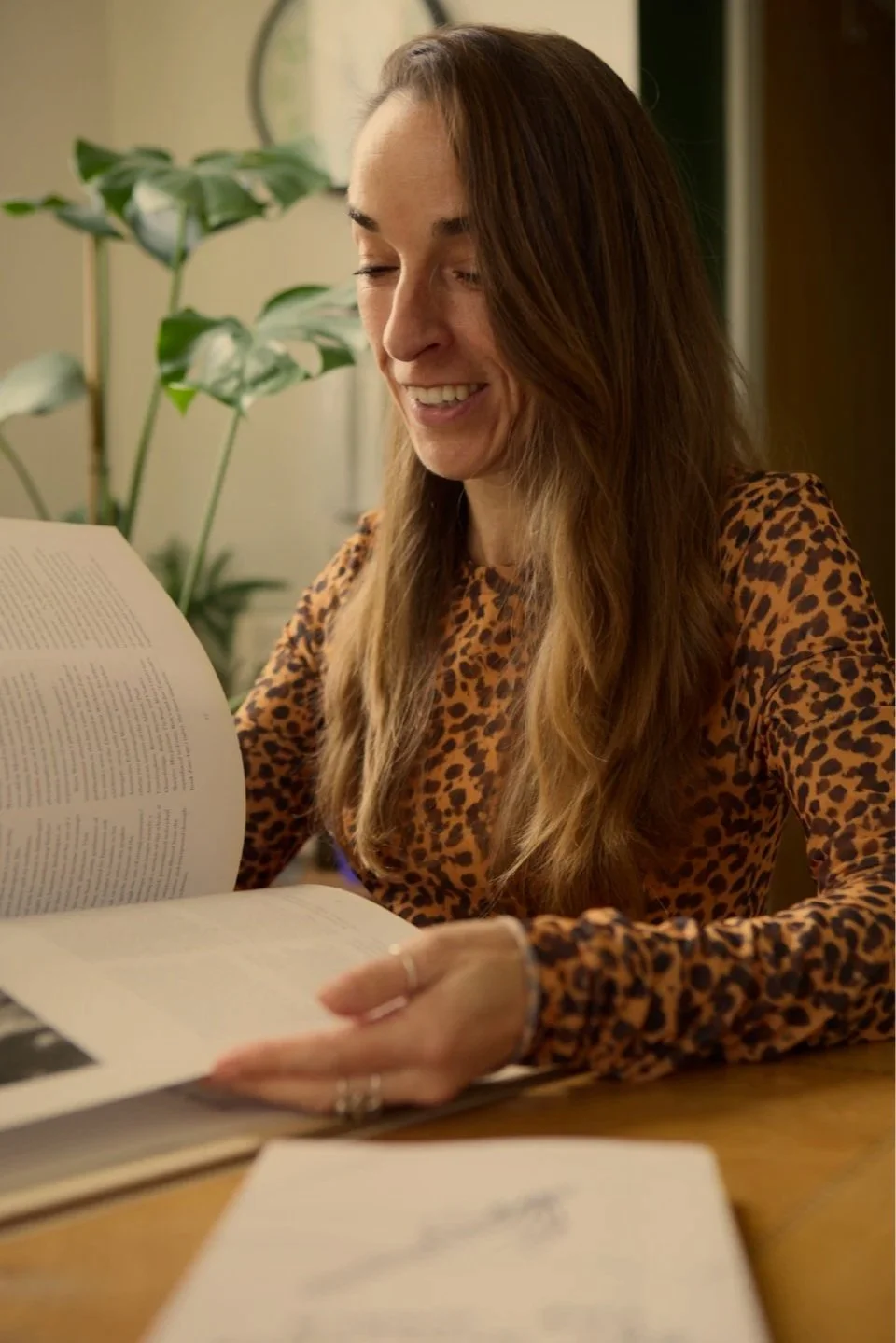
I’m Amy, professional creative, person-centred counsellor, and when I find the time, amateur artist. I've always been fascinated by identity, creativity and human behaviour, and this shapes how I approach all of my work.
I’m now in my 40s, and spent much of my life exploring ways to feel ‘well’ through retreats, yoga, and travel, until I eventually started my own therapy journey. What began as a search for freedom gradually became something deeper: a desire to understand why I experience the world the way I do, and how to create a life that feels less overwhelming and more intentional.
Over time, I’ve come to recognise that sensitivity isn’t something I need to change. Slowing down, spending time in nature and making space for creativity have become important ways for me to reconnect with myself. These experiences continue to shape how I approach counselling, with empathy, curiosity and an understanding of what it can feel like to navigate a world that sometimes feels a like too much.
Whether I'm working with someone 121, facilitating a retreat, supporting a business or leading a workshop, my hope is always the same: to create space for people to slow down, reflect, and reconnect with what matters most to them.
-
ADHD, Autism & AuDHD
Whether you've recently received a diagnosis, suspect you may be neurodivergent, or are beginning to understand yourself through a new lens, these sessions offer a space to explore how your mind works. Together, we'll focus on acceptance, regulation, and building a life that works with your strengths rather than against them.
-
Better relationship with tech.
Many of us feel trapped between wanting to be present and constantly reaching for our phones. Together, we'll explore your relationship with technology, what might be driving those habits, and how to create more space for ‘analogue living’ without feeling like you have to disconnect from modern life completely.
-

Navigating menopause.
Menopause often brings much more than physical symptoms. It can spark questions around identity, confidence, relationships and what’s next. I provide space to make sense of the changes you're experiencing, reconnect with yourself, and navigate this transition with greater clarity, compassion, and self-trust.
-
Creative burnout.
Working in creative industries can be inspiring, but it can also leave you feeling depleted, pressured, or disconnected from the reasons you started creating in the first place. Together, we'll explore ways to reduce overwhelm, navigate perfectionism, and reconnect with curiosity, confidence, and a more sustainable creative practice.
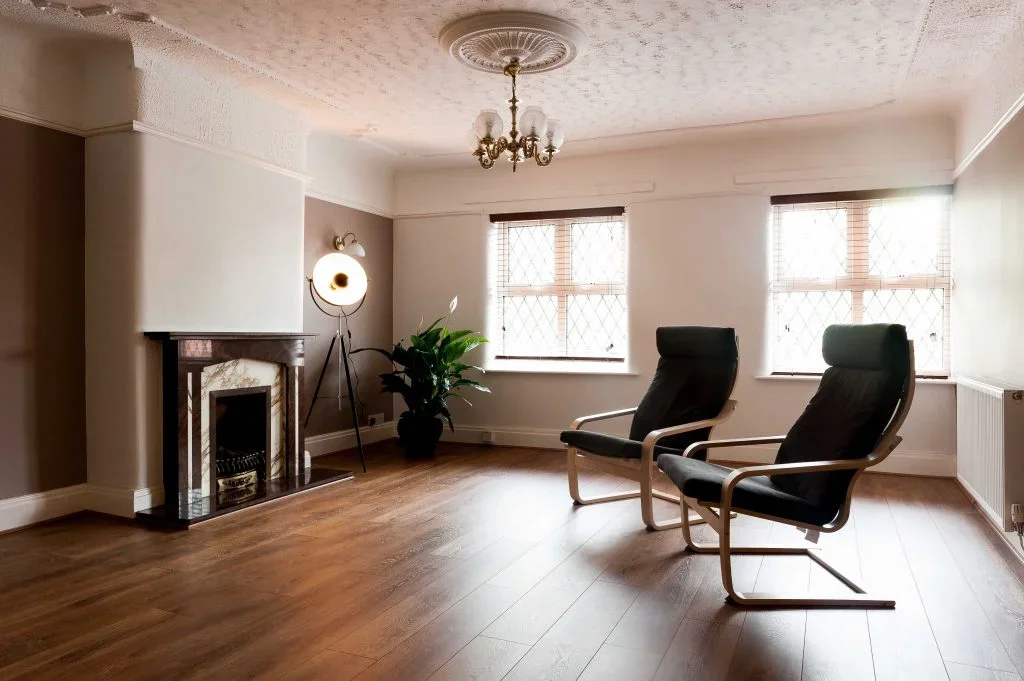
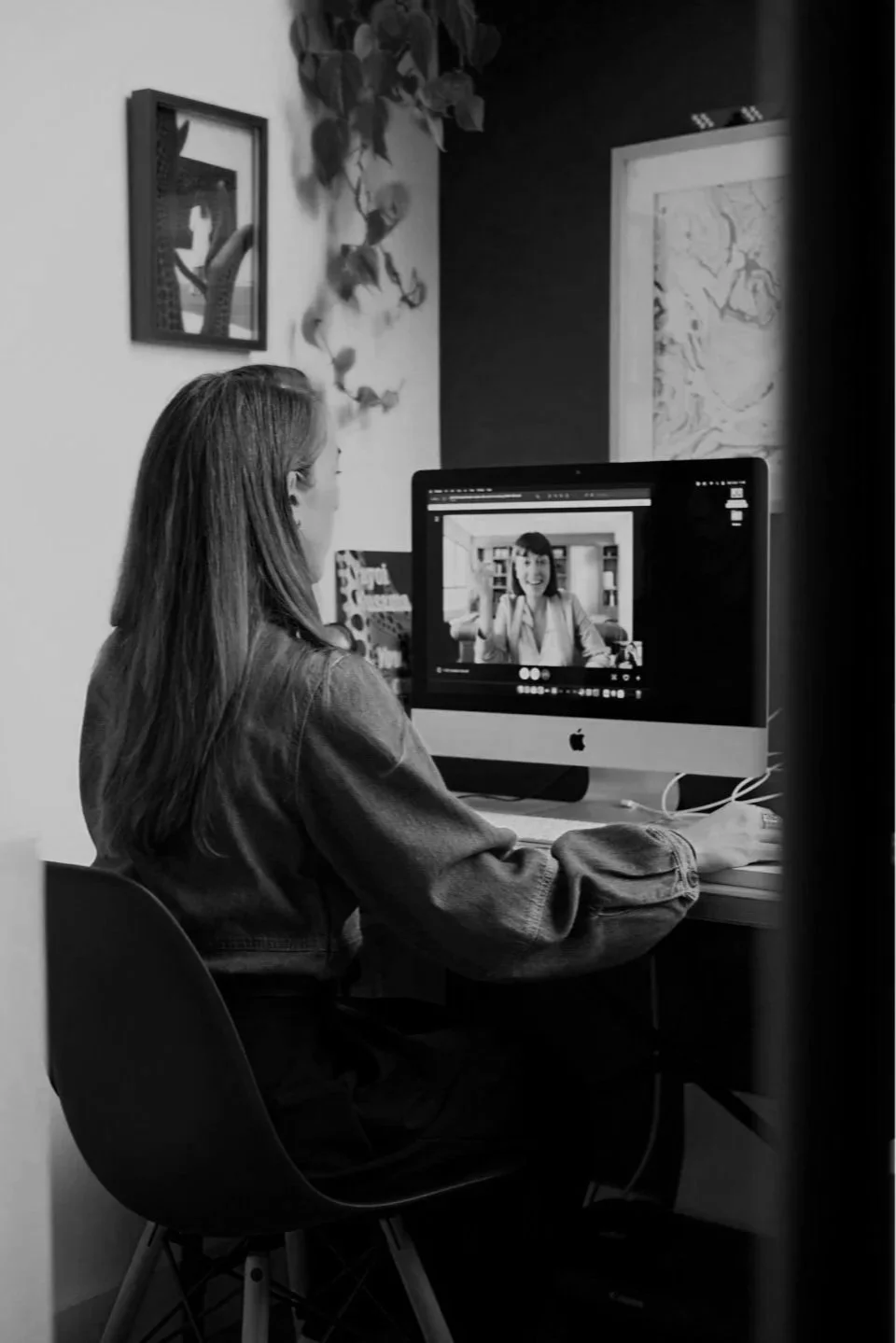
Counselling sessions available in person in Ancoats or Chorlton, Manchester.
(phone & online also available)
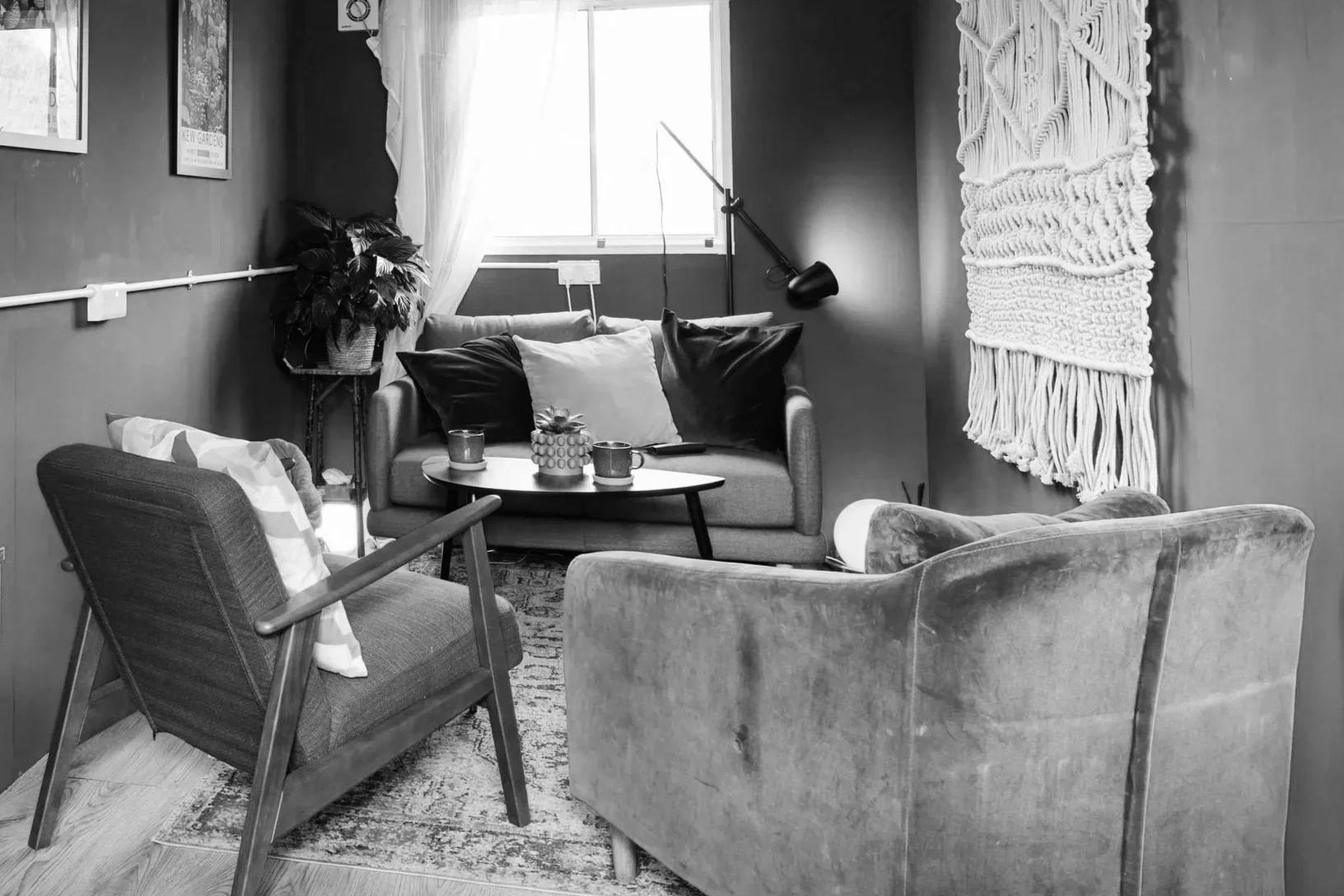
Near Ancoats or City Centre
Pollard Yard, Pollard Street East, M40 7QX
South Manchester
2 Railway Terrace, Chorlton, M21 0RQ
Fees & packages
PAY AS YOU GO
Flexible support tailored to your needs. Book single appointments without commitment, and continue for as long as feels right for you.
£60 for weekly / £65 fortnightly
Couples £85 weekly / £90 fortnightly
6 SESSION PACK
Designed for people navigating a period of change. This might be menopause, a career shift, a relationship ending, or a neurodivergence late diagnosis.
£342 for 6× sessions / £57 a session
CORPORATE TEAM 121S
A confidential space for employees to better understand how they work, navigate pressure, and think more clearly. Particularly valuable during periods of change, burnout, neurodivergence, leadership development, or creative challenge. Learn more →
One final reminder. You don’t need to have everything figured out to start.
Together, we'll explore what it means to experience the world so deeply, how sensitivity shapes your emotions, relationships and wellbeing, and what happens when your own needs get lost amongst everyone else's. The aim isn't to become less sensitive or change who you are, but to develop a deeper understanding and acceptance of yourself, recognising what you need to feel more balanced, supported and comfortable in your own skin.
Just know, you don’t need a plan, and everything will unfold in it’s own time. We’ll start wherever feels right and see where the conversation takes us
Creative counselling is a new idea, so if you’re still not sure if it’s for you, these FAQs might help! Or book a call here
-
Being a highly sensitive person generally means experiencing and processing things more deeply. You might be particularly aware of other people's emotions, notice subtle changes in your surroundings or feel easily overwhelmed by noise, busy environments and competing demands. High sensitivity isn't a disorder or diagnosis, but a way of describing a particular temperament.
-
You might find that you need more time alone to recharge, feel deeply affected by criticism or conflict, or notice things that others seem to overlook. You may also have a rich inner world, a strong sense of empathy and a tendency to reflect deeply. There's no single experience of being highly sensitive, and you don't need to identify with every characteristic.
-
Not necessarily. High sensitivity isn't a clinical diagnosis, and it isn't automatically the same as autism or ADHD. There can be similarities, particularly around sensory experiences, emotional intensity and overwhelm, and some people identify with both. Counselling can give you space to explore your experiences without needing to fit neatly into a particular label.
-
Creative counselling sits somewhere between coaching, counselling, and creative exploration. It's a space to slow down, better understand yourself, and explore challenges from a different perspective. The focus isn't on giving advice or telling you what to do, but helping you uncover what feels right for you.
-
Not at all. In fact, many people who work with me don't consider themselves creative. When I talk about creativity, I'm referring to a way of thinking: curiosity, flexibility, openness, and the ability to explore new possibilities.
-
Every session is different because every person is different. Some sessions are entirely conversational, while others may include simple creative or reflective exercises. We begin with whatever feels most important to you and work from there.
-
Traditional coaching is often focused on goals, performance, and action plans. Creative Mentoring is more exploratory. Rather than trying to fix a problem quickly, we take time to understand what's really going on and what you need moving forward.
-
There is no right answer. Some people find a short series of sessions gives them the clarity they need, while others benefit from longer-term support.
For first timers, you would have to book 6 sessions minimum, because meaningful change and insight usually take time. The sessions build on one another and create space to explore things more deeply than is often possible in a single conversation.
If you're unsure, we can discuss what feels most appropriate during an introductory call. -
At the moment I work in packages because meaningful change and insight usually take time. The sessions build on one another and create space to explore things more deeply than is often possible in a single conversation.
-
If you're looking for a space to think more clearly, better understand yourself, and explore what's next without judgement or pressure, there's a good chance it could be a good fit. The best way to find out is to book a free 20-minute exploratory call and we can talk through what you're looking for. Book here
-
I offer creative mentoring in Manchester, as well as online sessions for clients across the UK and internationally.
Articles I’ve written on creative thinking.
as well as thinking creatively, I talk about our relationship with technology, menopause, neurodivergence & other things that come to mind when I walk in nature.